
The Heritage Collection: Where Craft, Landscape, and Material Meet
By Simone DeSantis, Founder & Artist, Willow + West Textiles
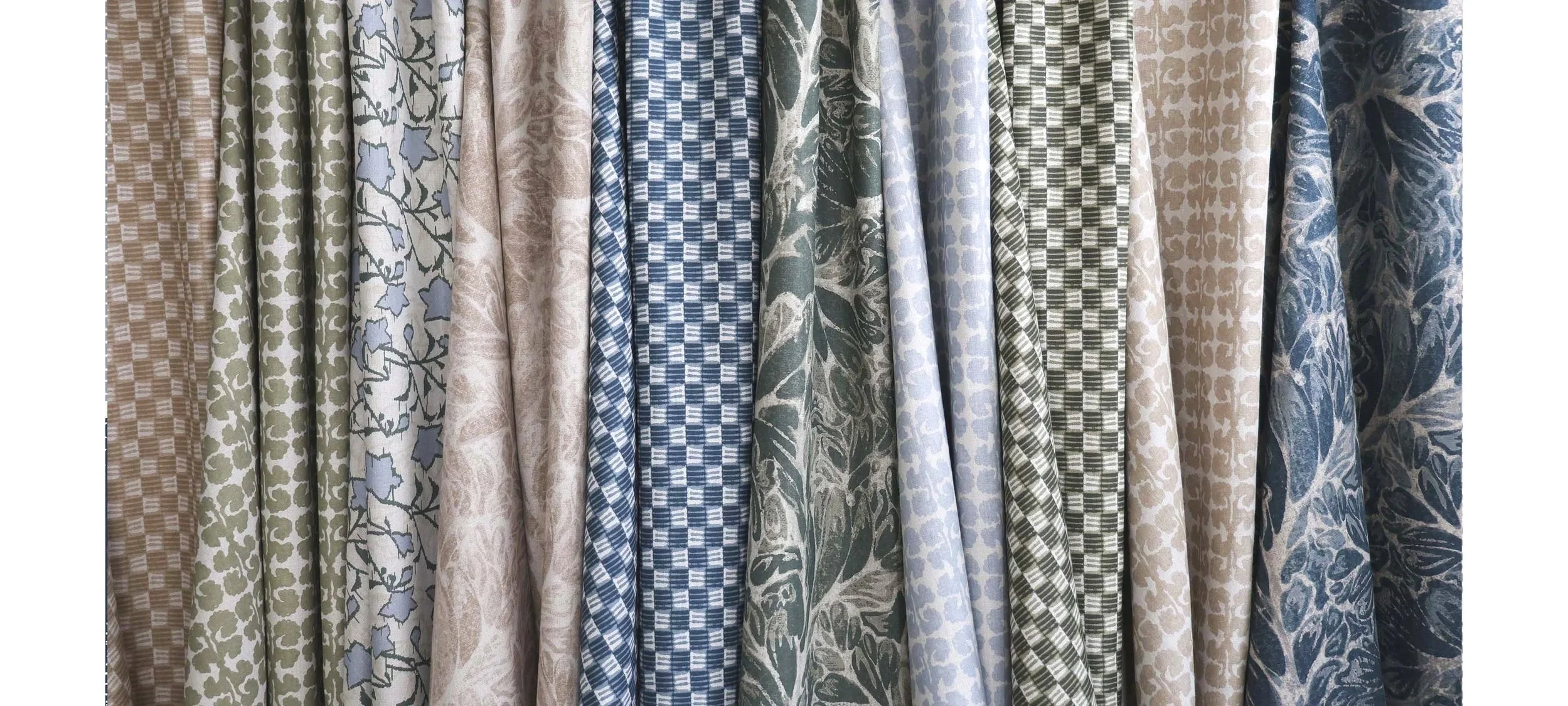
Some collections begin with a completely new idea. The Heritage Collection began with a desire to keep exploring one that has shaped my work for years.
My studies of traditional Japanese textiles have long influenced Willow + West. With this new collection, I wanted to continue that story while exploring it through a more botanical lens.
The result is four new patterns, Oakley, Zara, Koshi, and Risa, each rooted in the botanical forms and natural beauty I experienced during my time abroad. I invite you to discover the inspiration, techniques, and stories behind the Heritage Collection.
Why Heritage
I chose the name Heritage because this collection is rooted in things that carry a history.
While studying textiles design in Japan, I was struck by how techniques practiced for centuries could still produce work that felt relevant today. Shibori has been practiced in Japan for more than 1,200 years, while katazome has been refined over centuries through the art of stencil carving and resist dyeing.
Despite their age, these techniques and the patterns I studied felt surprisingly modern.
That idea stayed with me: good design can carry the past forward without feeling stuck in it. Heritage is my interpretation of that philosophy, creating something new while respecting the materials, craftsmanship, and traditions that inspired it.
The Patterns of Heritage
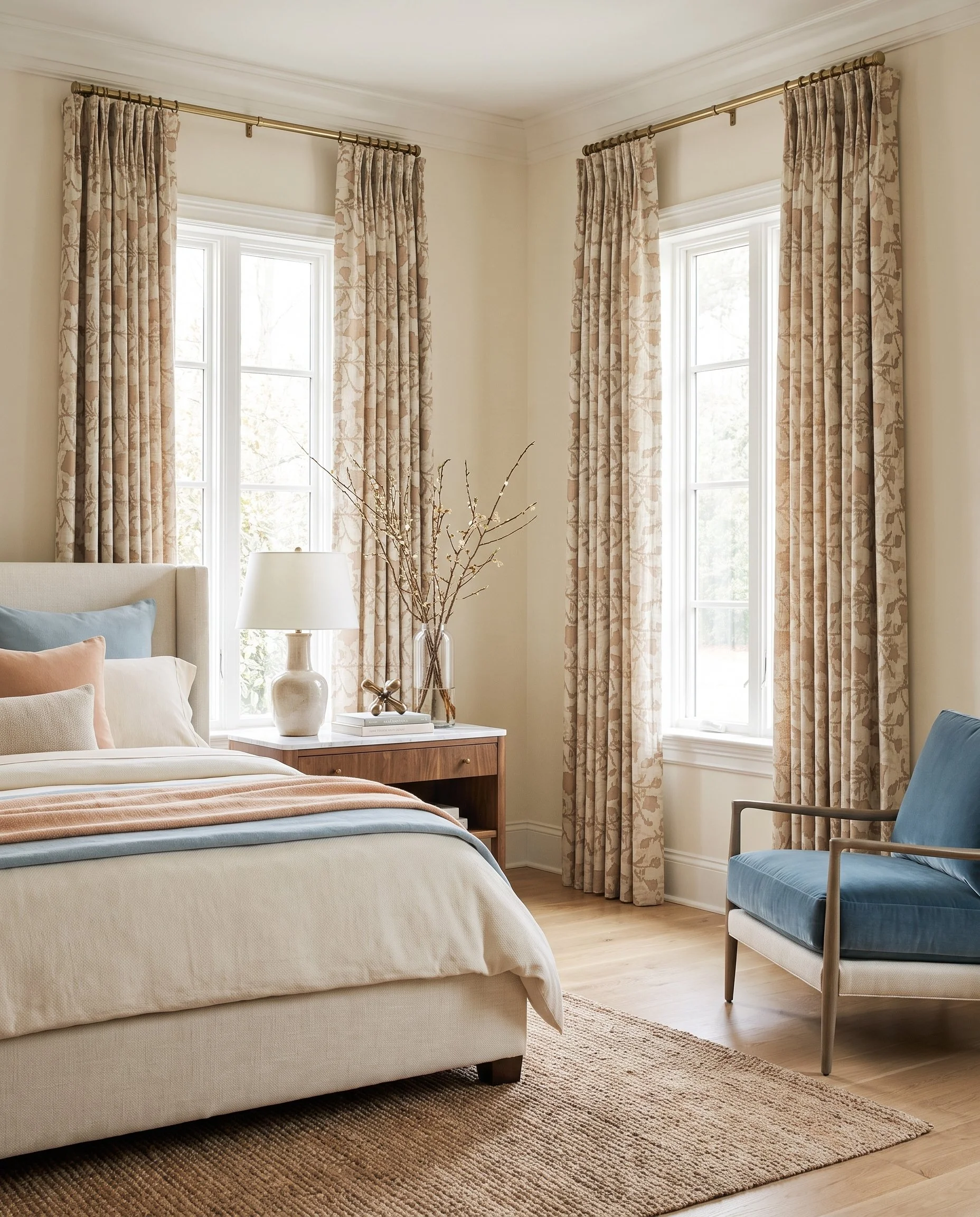
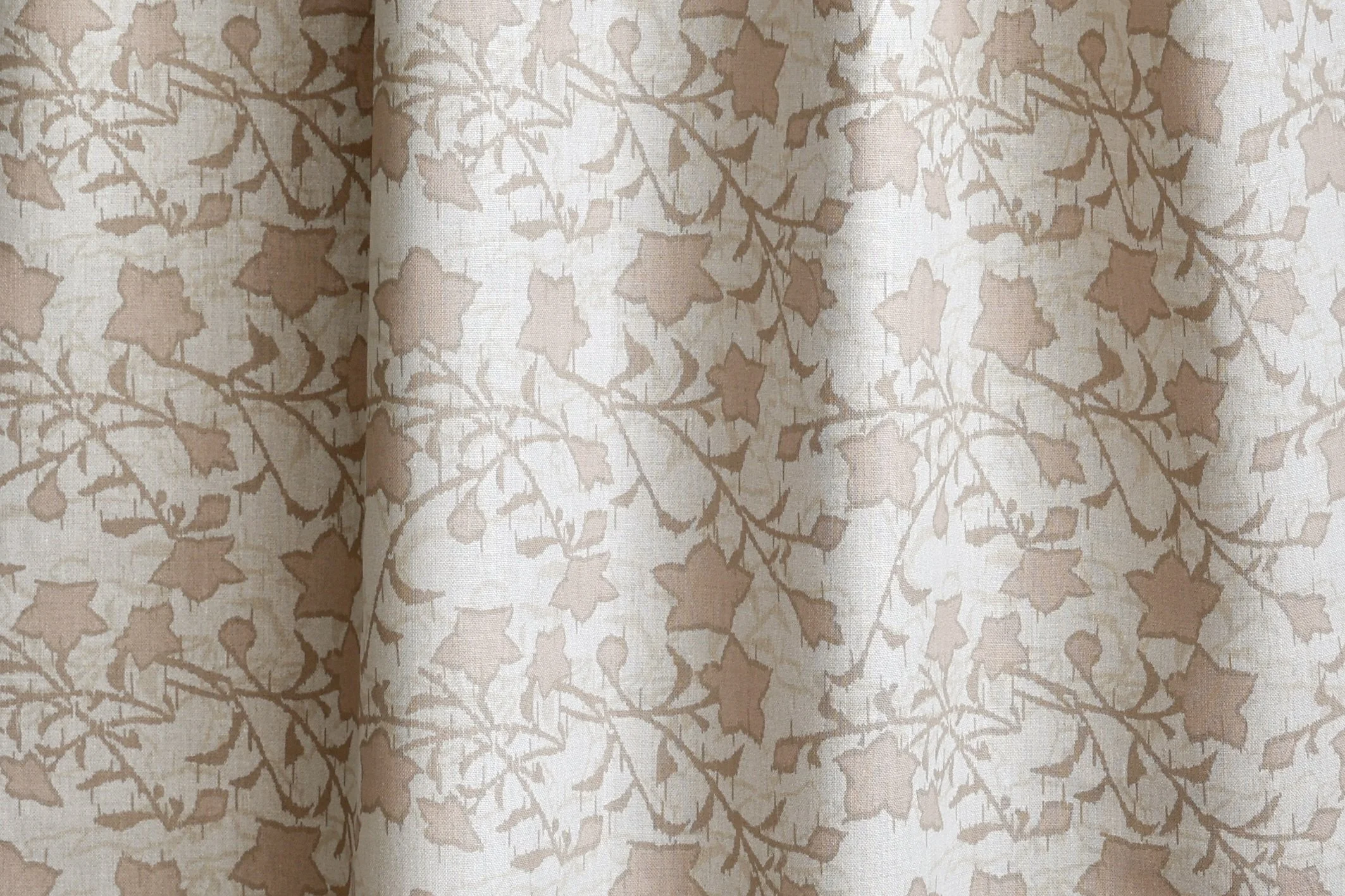
Oakley |
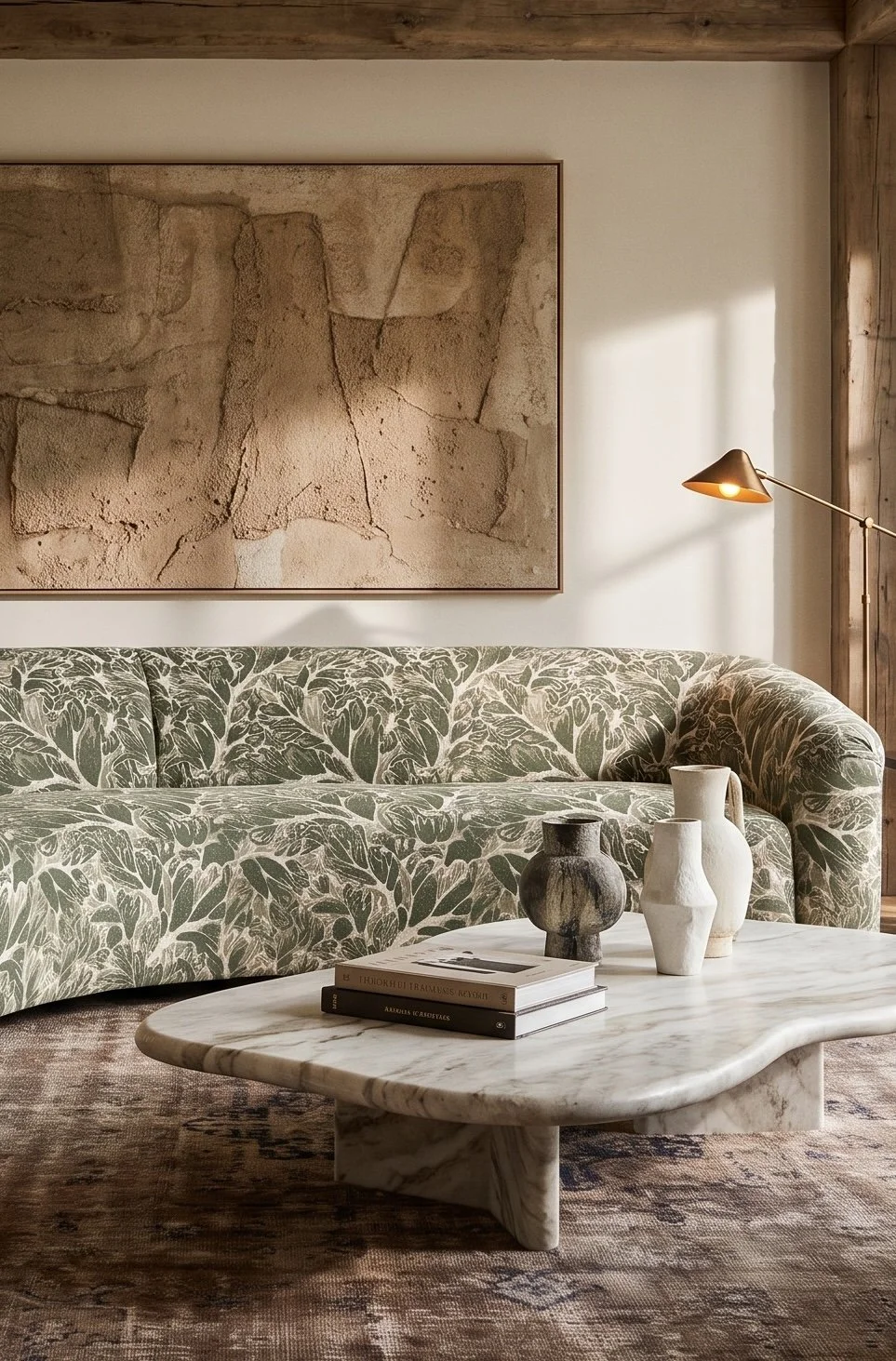
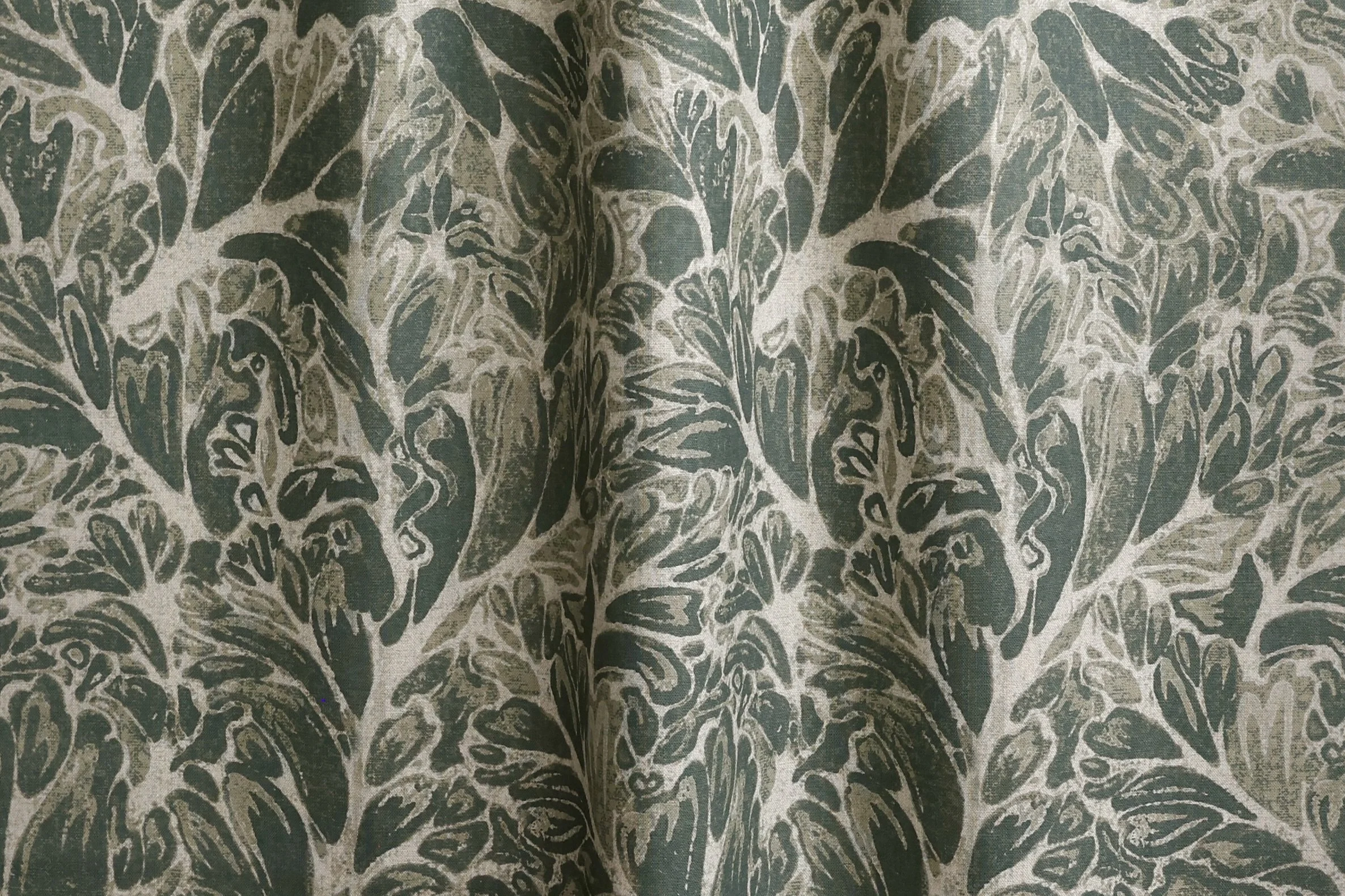
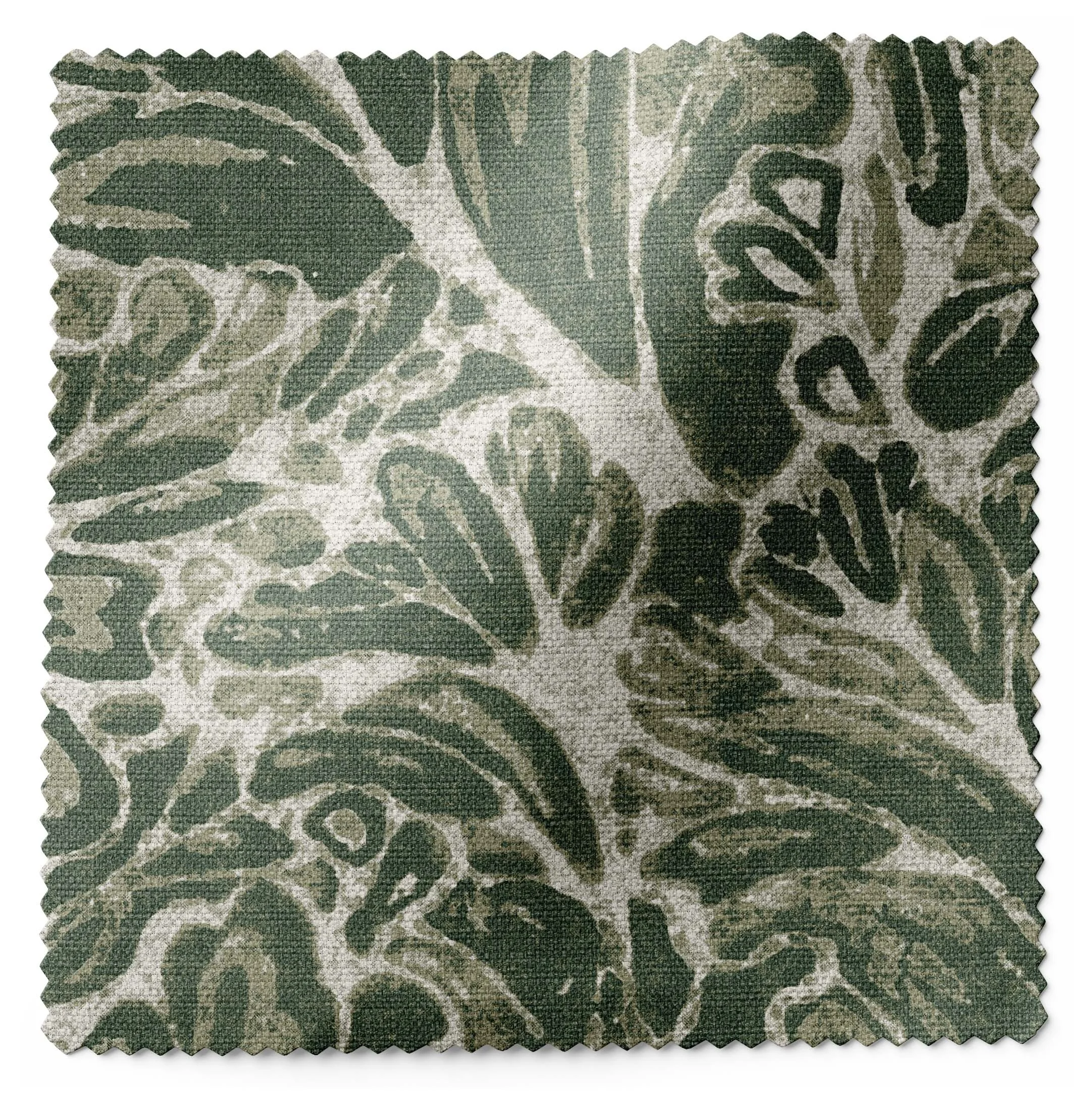
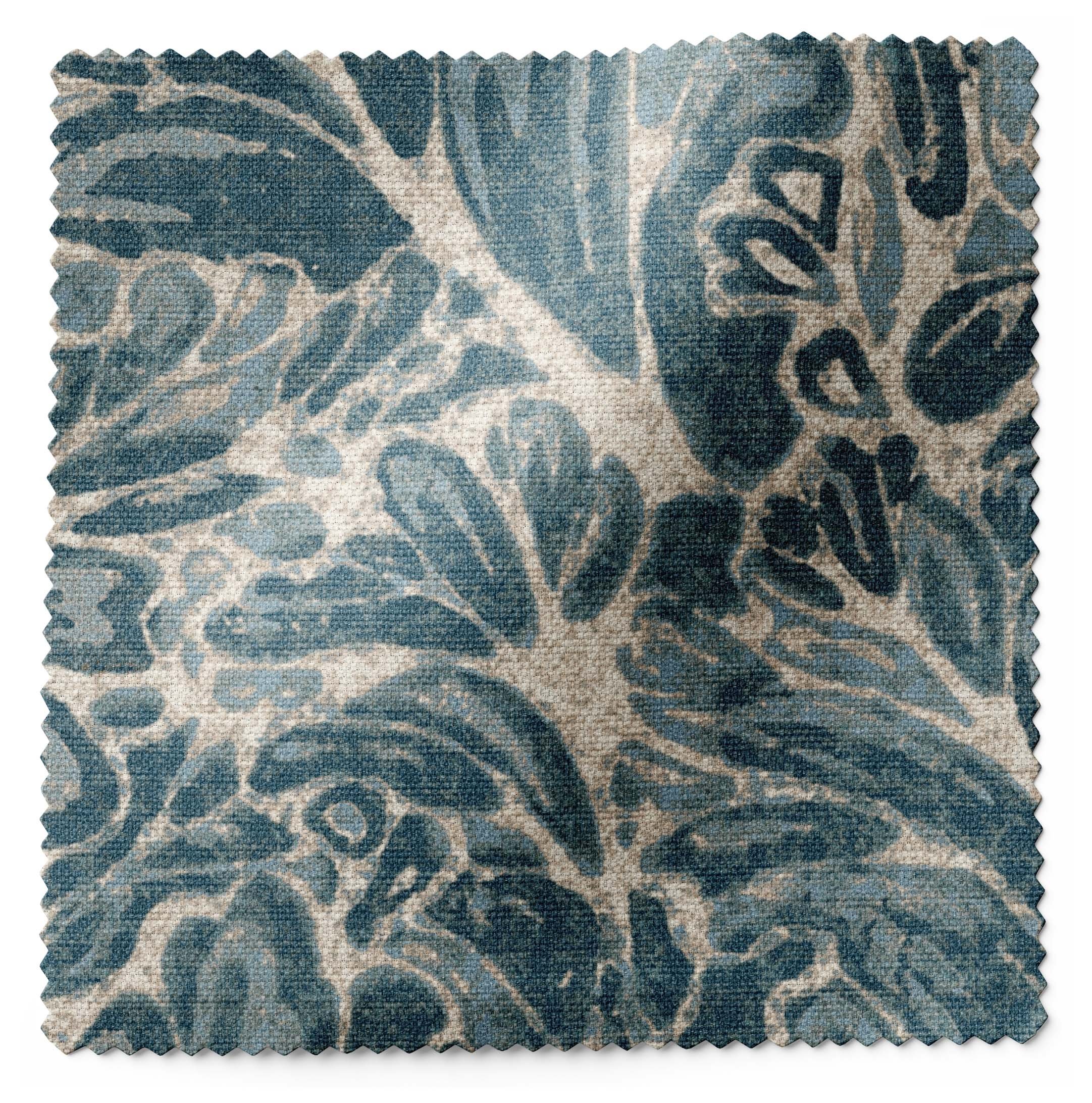
The inspiration for Oakley began during a visit to the Imperial Palace East Gardens in Tokyo, where layers of trees and foliage surround the remains of the former Edo Castle.
Oakley layers organic botanical forms with intricate, hand drawn texture. Overlapping leaves and softened marks give the design the character and imperfection of original artwork, creating a botanical that feels expressive yet quietly sophisticated..
Zara |
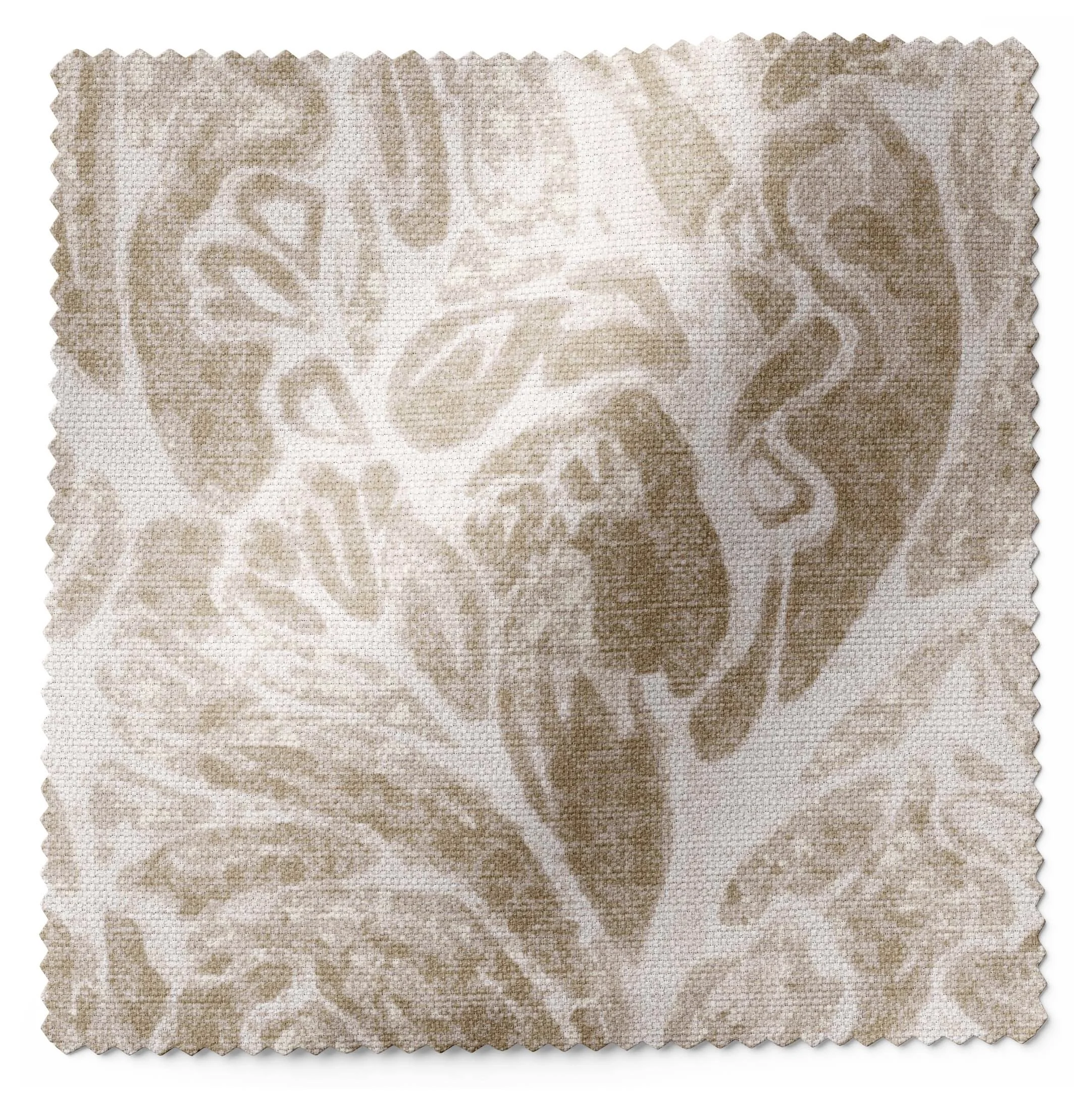
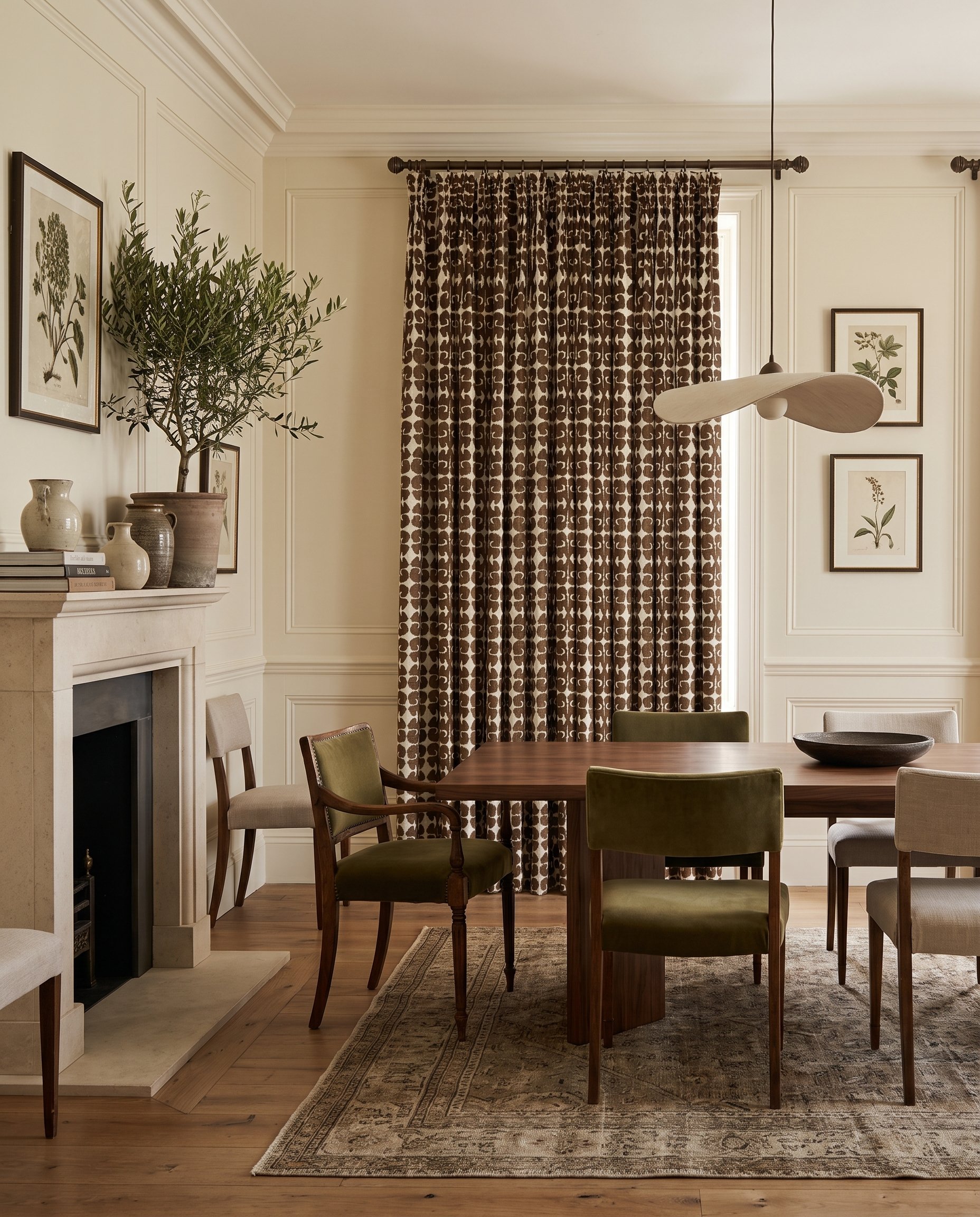
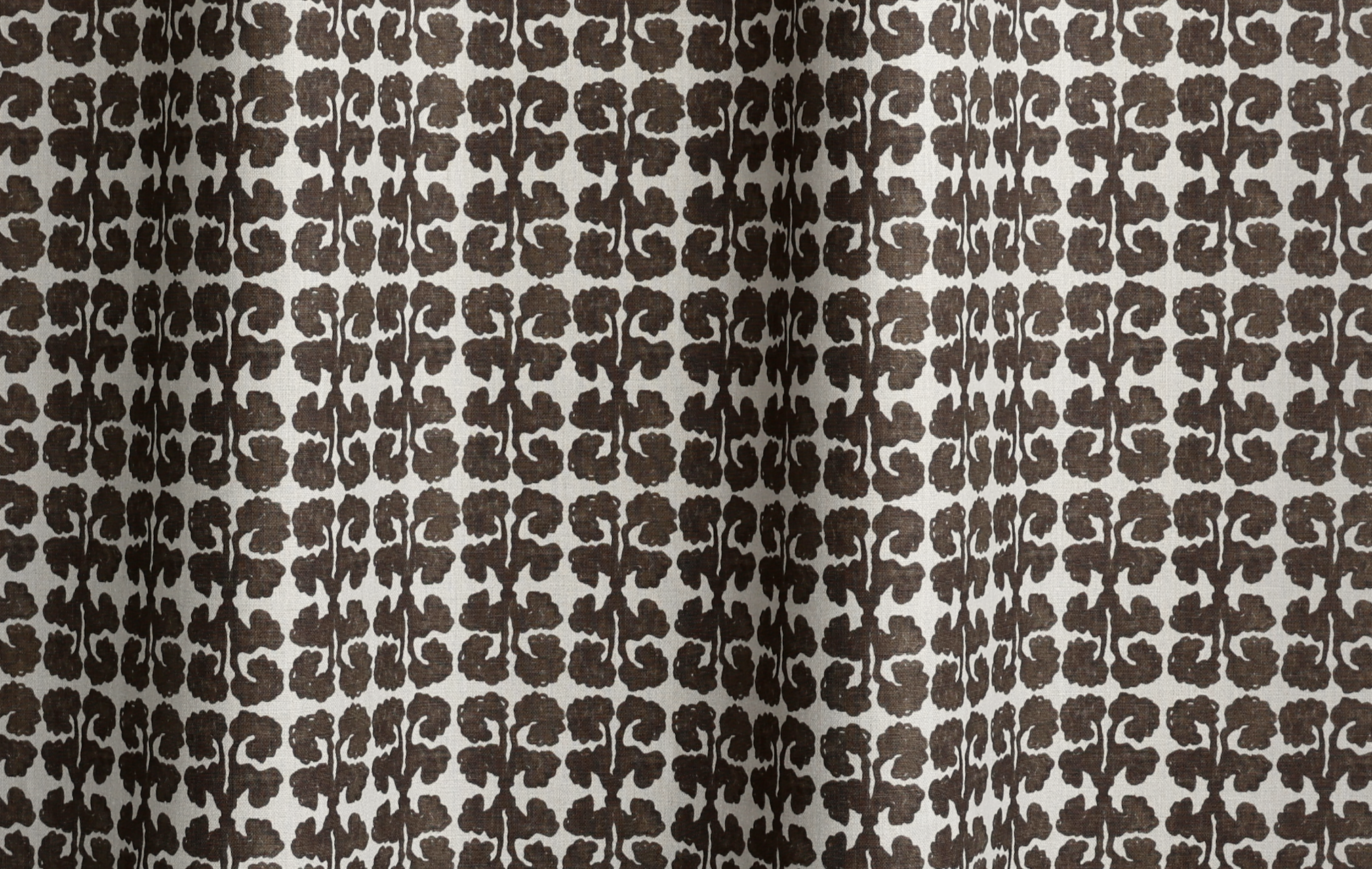
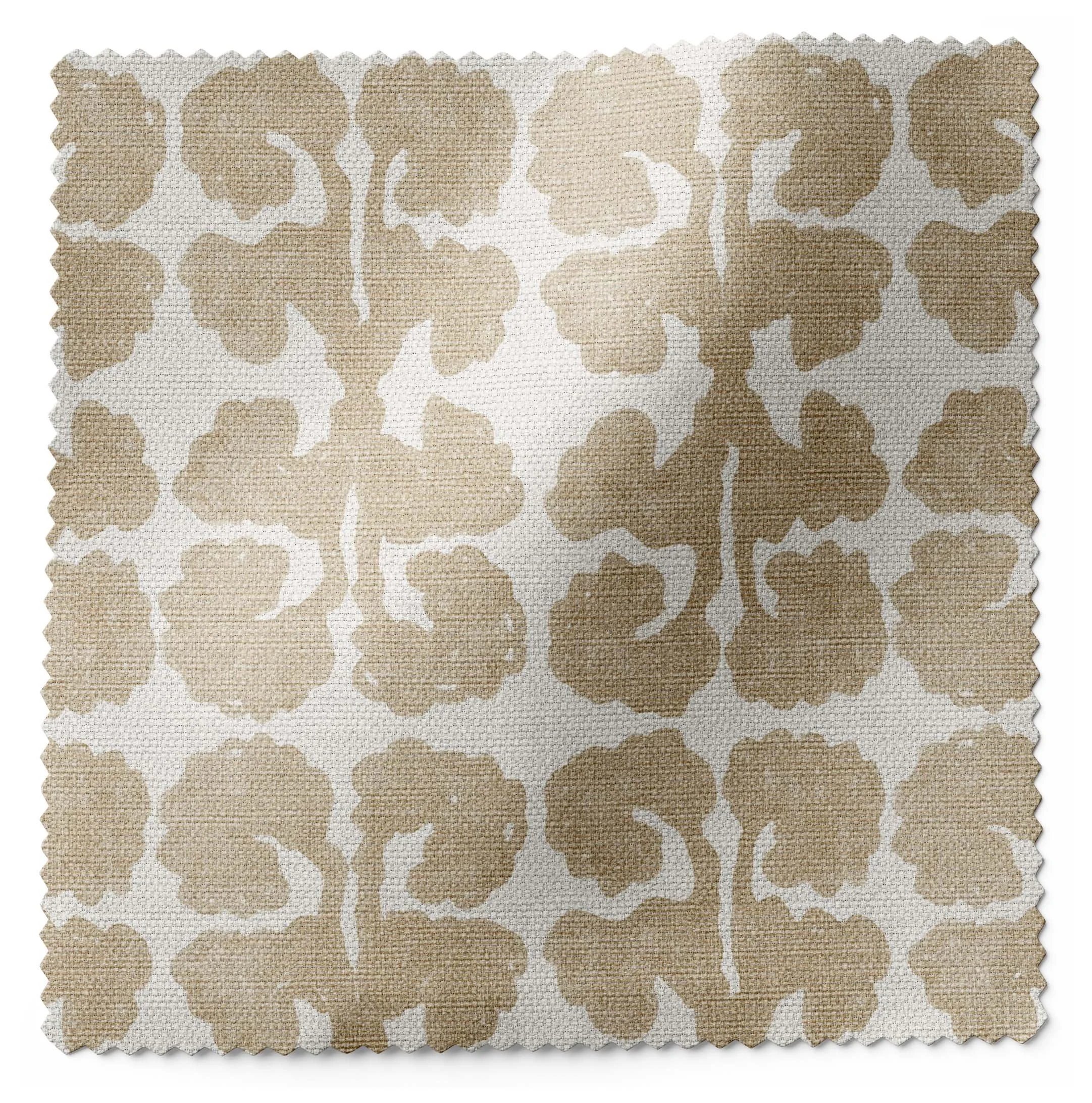
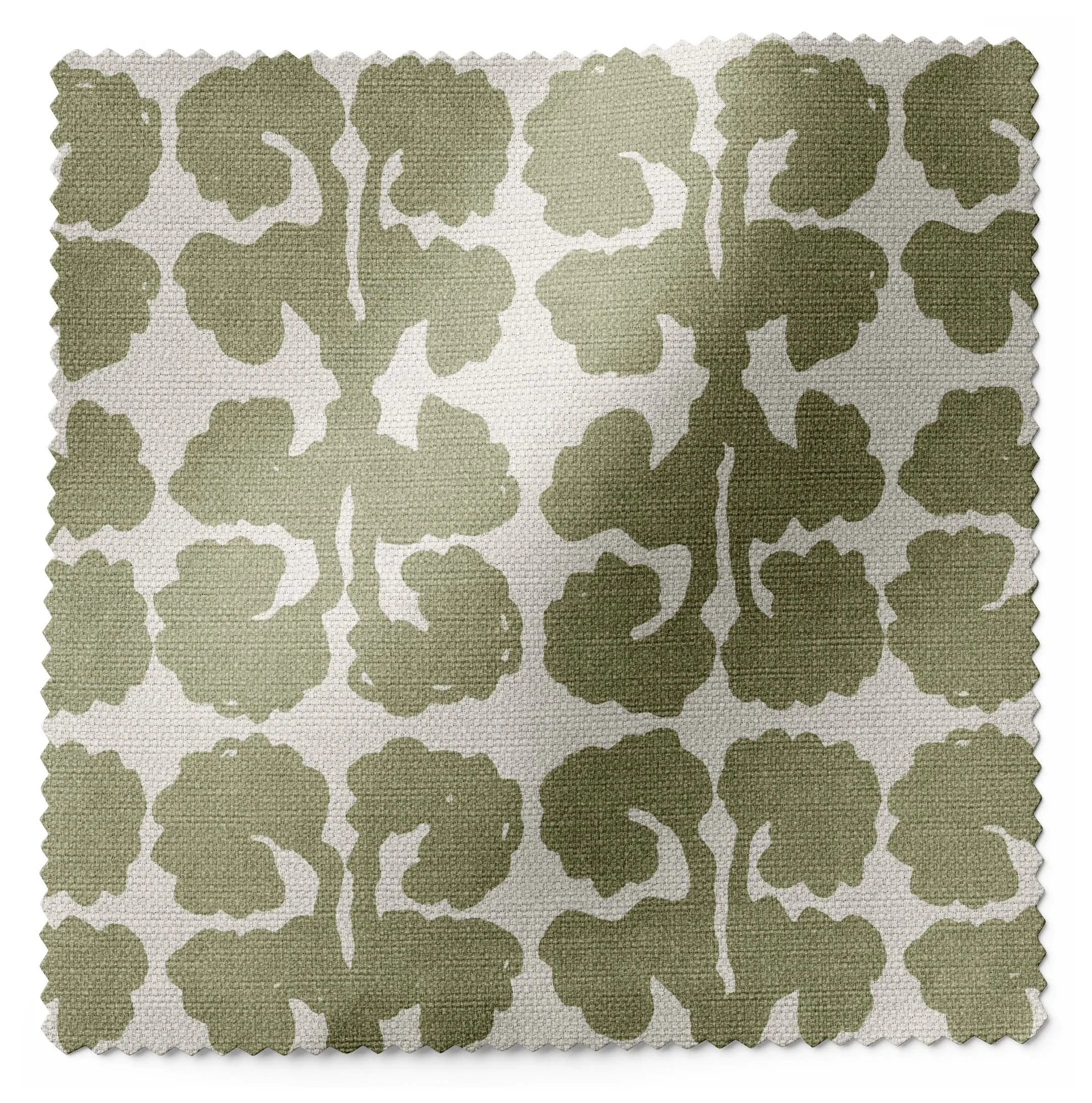
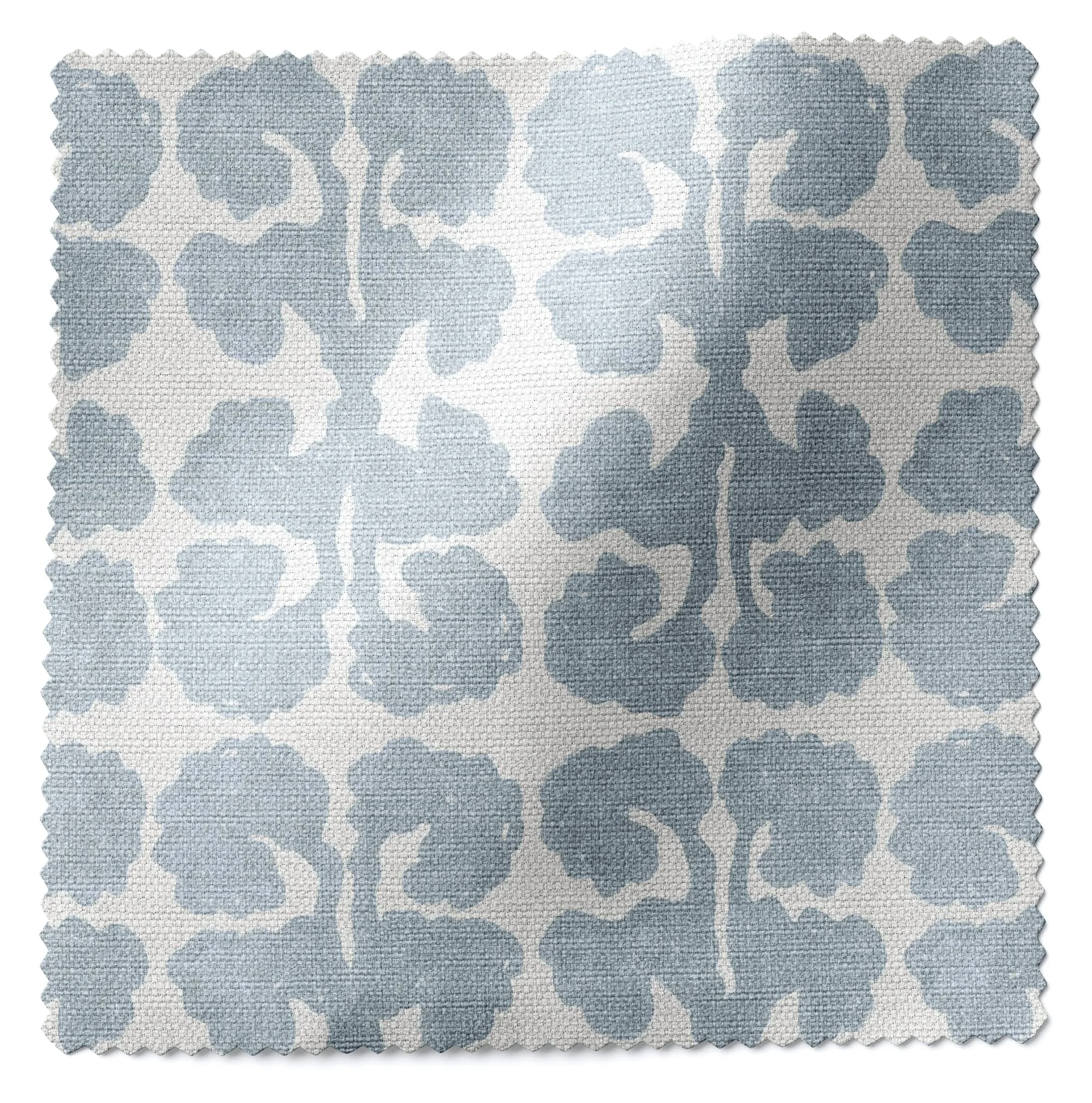
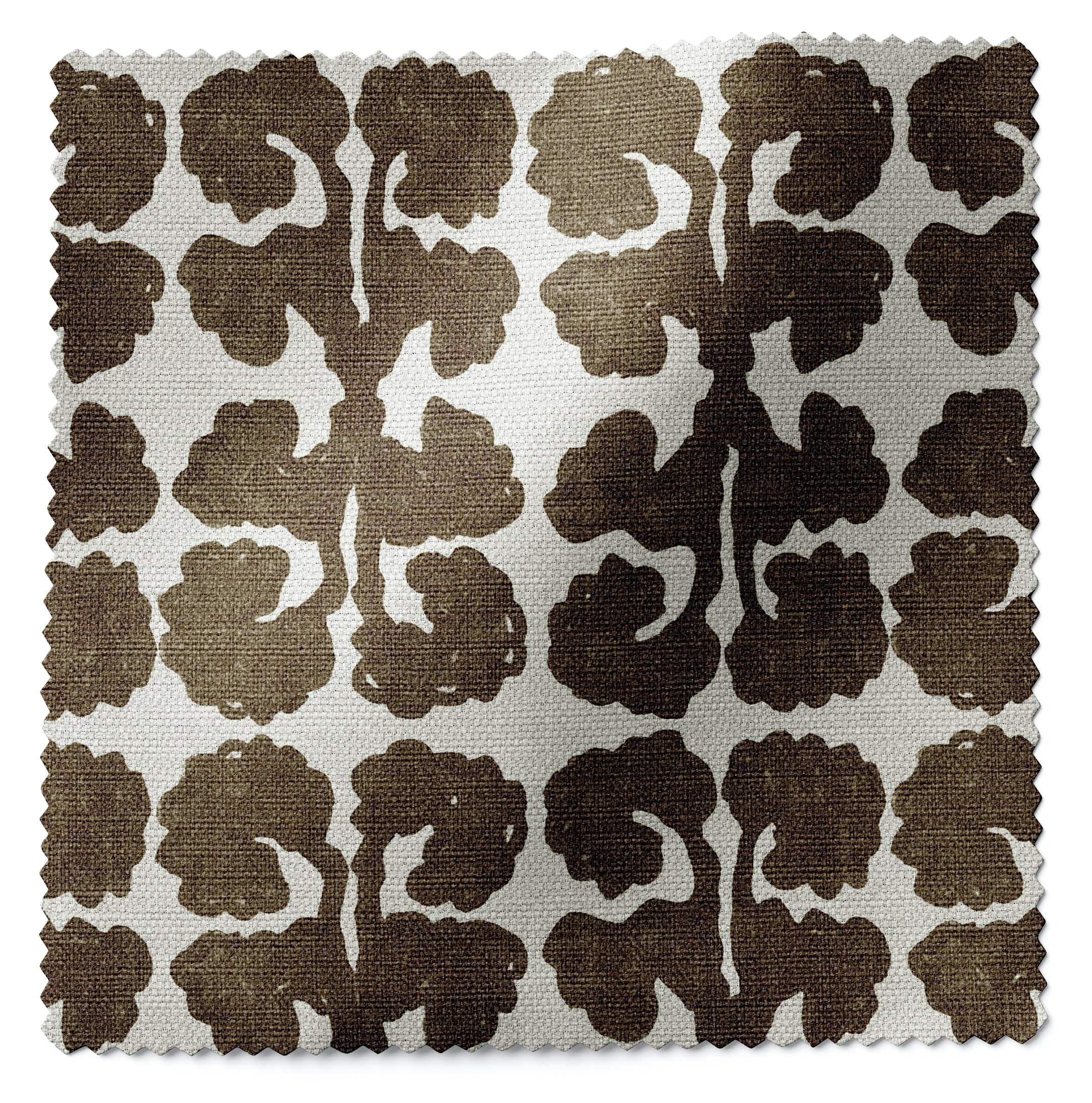
The inspiration for Zara came from the Japanese chrysanthemum, a botanical form I wanted to interpret through the traditional art of katazome. I began by abstracting the flower into a simpler, more elemental motif, then carved the design by hand into a stencil.
Using rice paste as a resist, I transferred the motif onto cloth through the katazome process. The result is a pattern that retains the subtle irregularities of the handmade process while giving the traditional floral form a fresh, modern expression.
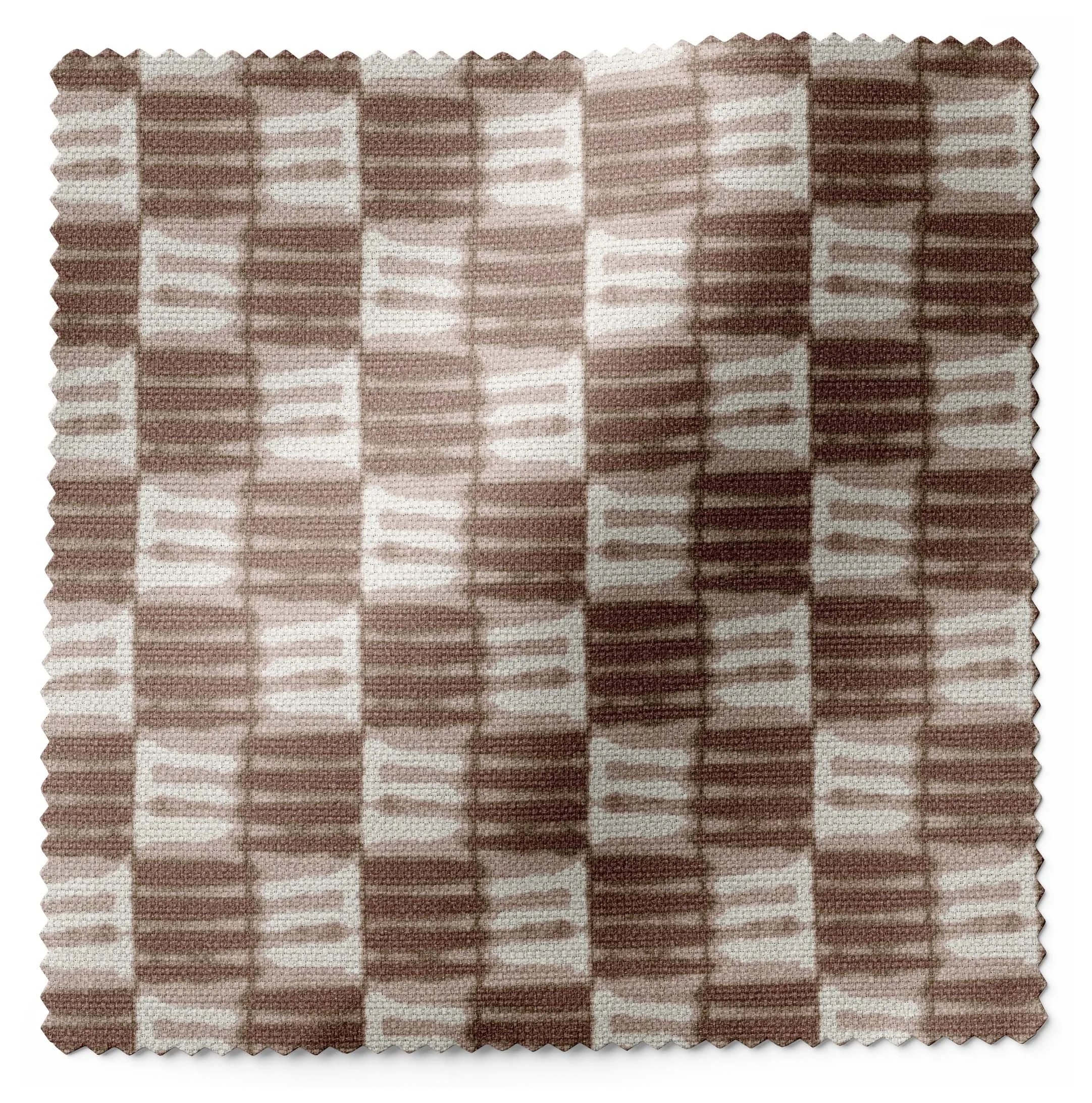
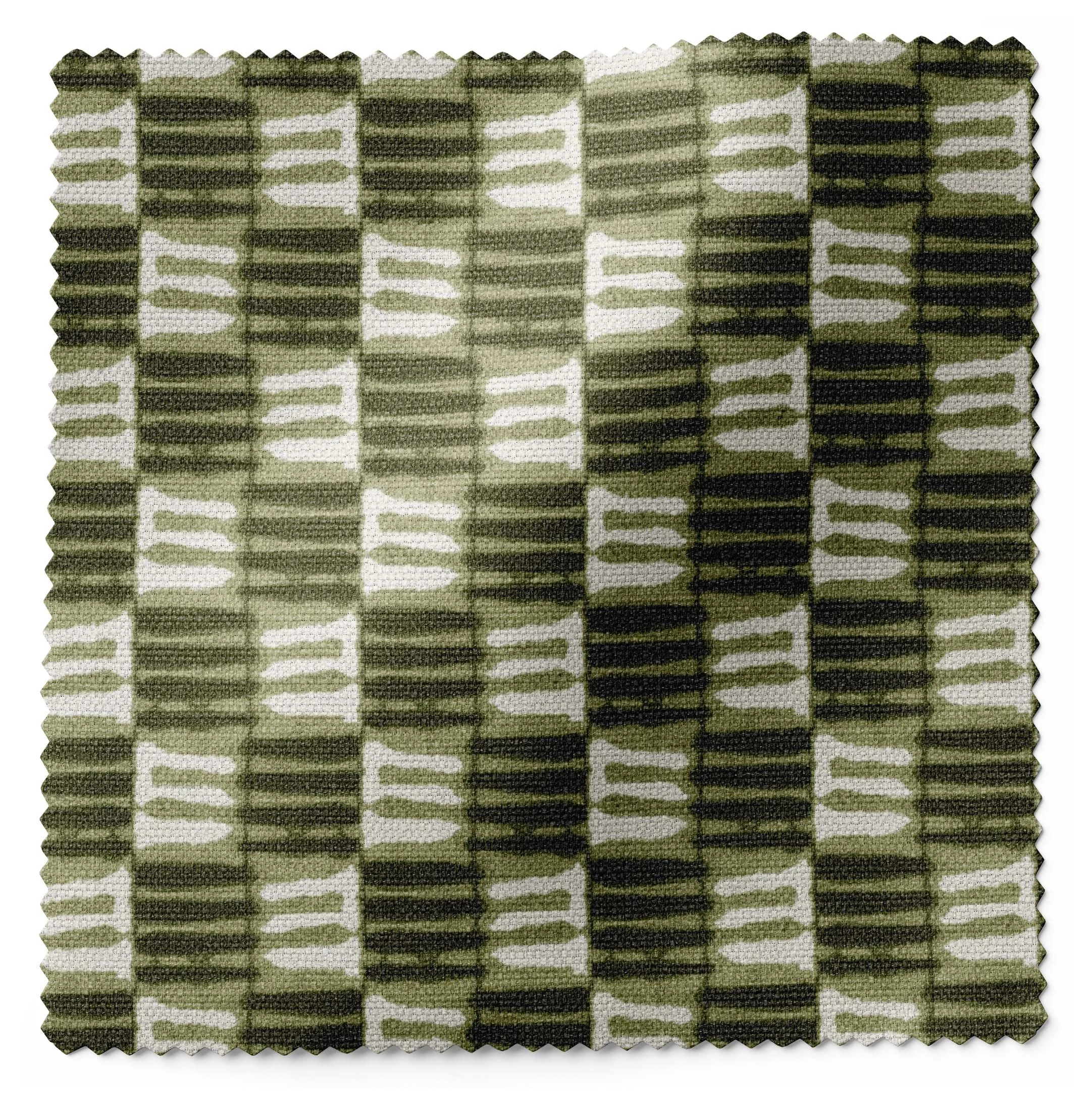
Koshi |
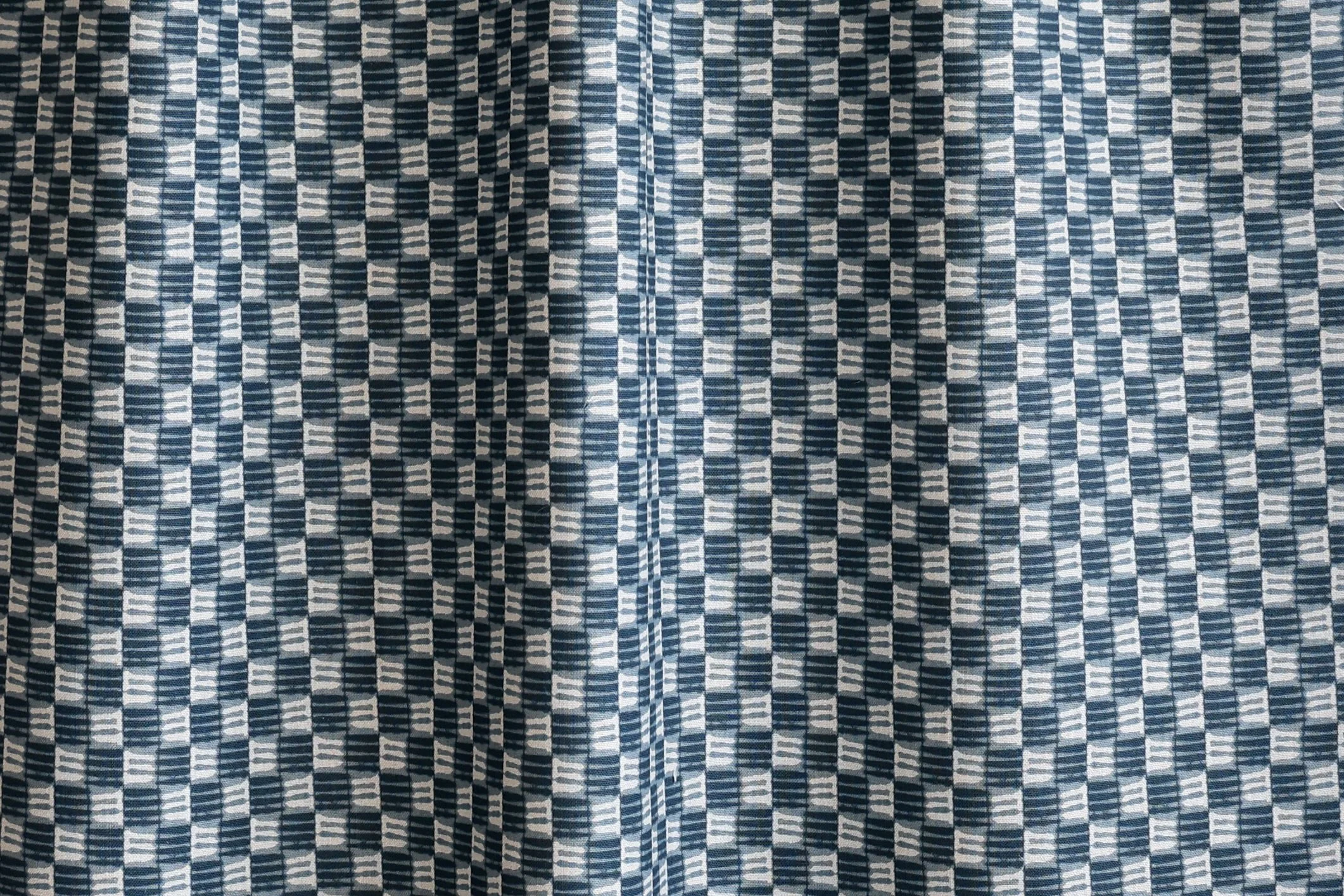
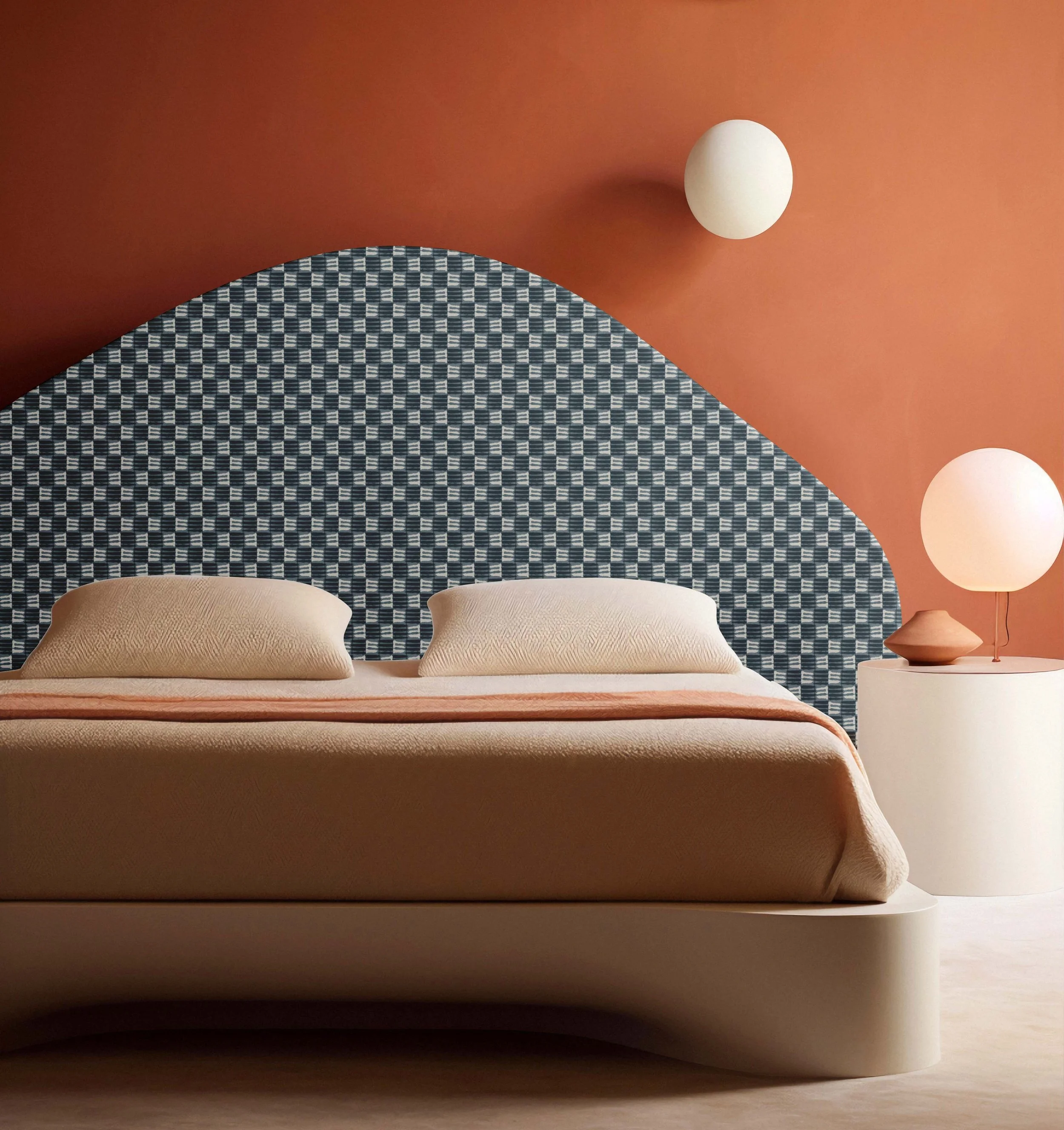
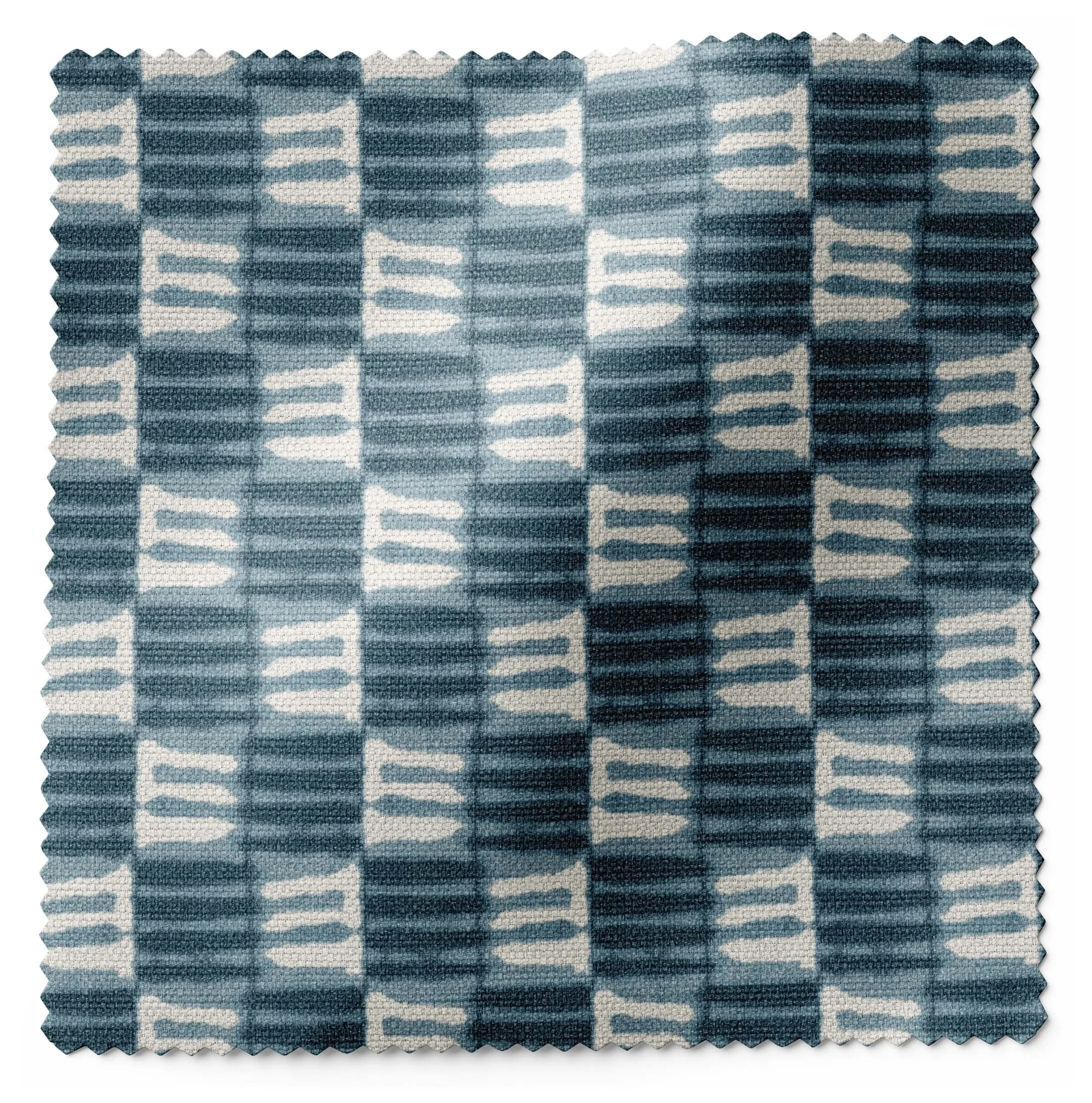
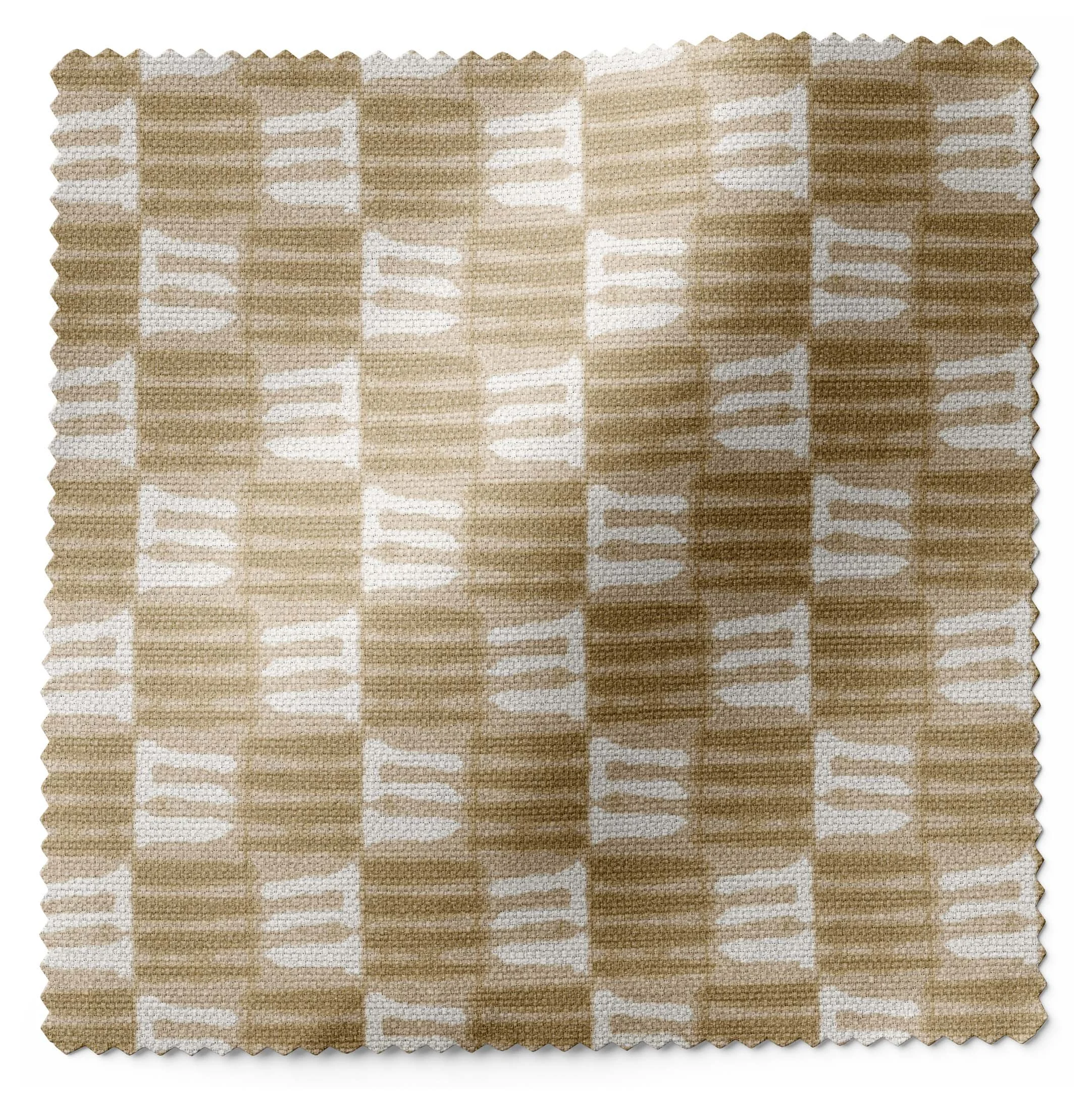
The inspiration for Koshi came from an afternoon surrounded by a bamboo grove in Sagamihara, where I was drawn to the quiet beauty of light filtering through the trees. I wanted to capture that sense of rhythm and movement through the traditional technique of itajime shibori.
I created the original artwork by folding and clamping the fabric before dyeing, allowing the resist process to form the pattern organically. The result is a structured yet softened design that reflects the natural repetition and subtle irregularity of the bamboo grove
Risa |
The inspiration for Risa came from a vintage katazome stencil. Created in the traditional hanjibori style of stencil carving, its broader botanical forms have a softer, more open quality.
I used the original stencil and traditional katazome techniques to print the motif onto fabric by hand. The openness of the pattern allows the natural texture and subtle variations of the linen to remain visible, becoming part of the finished design.
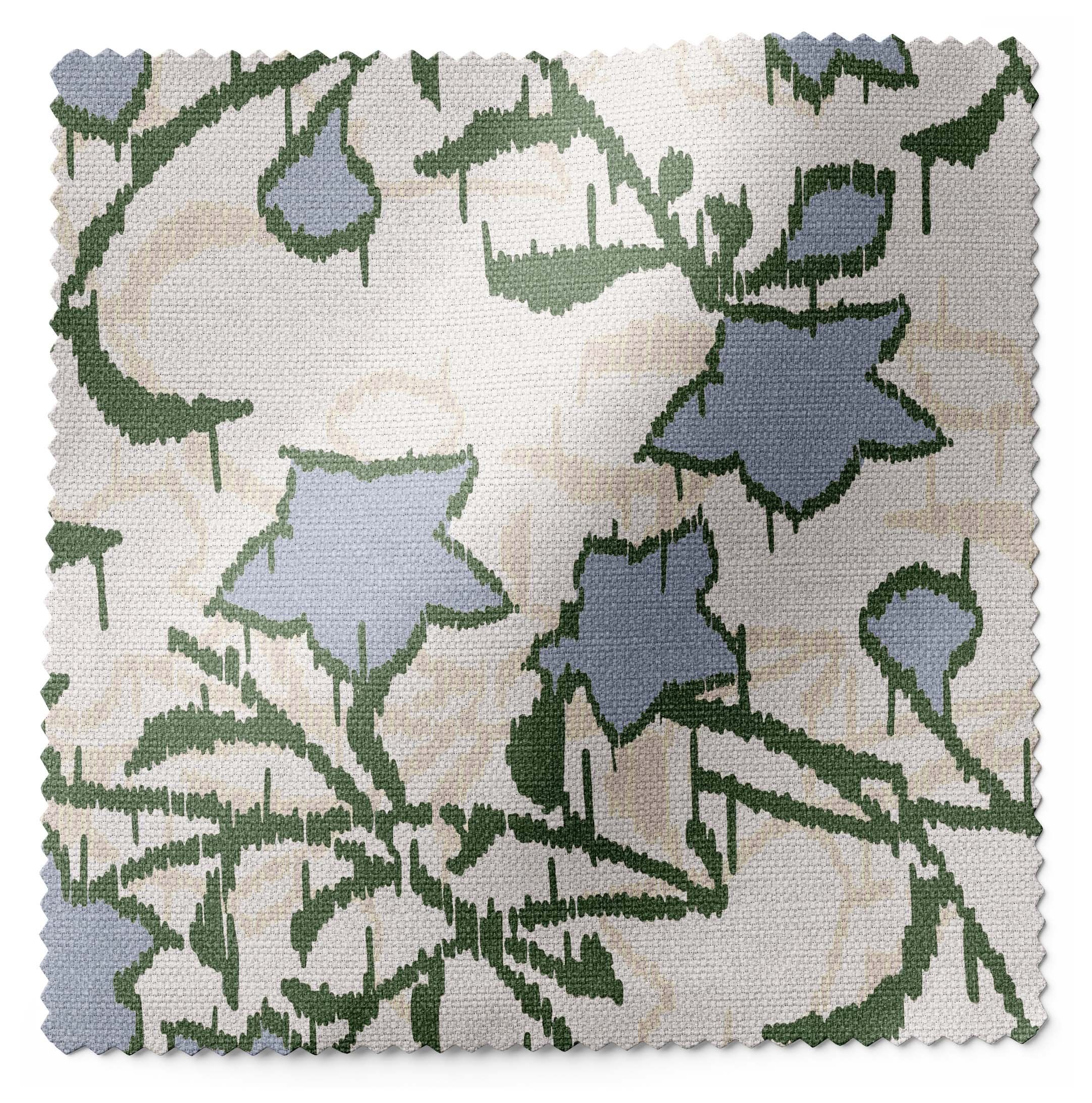
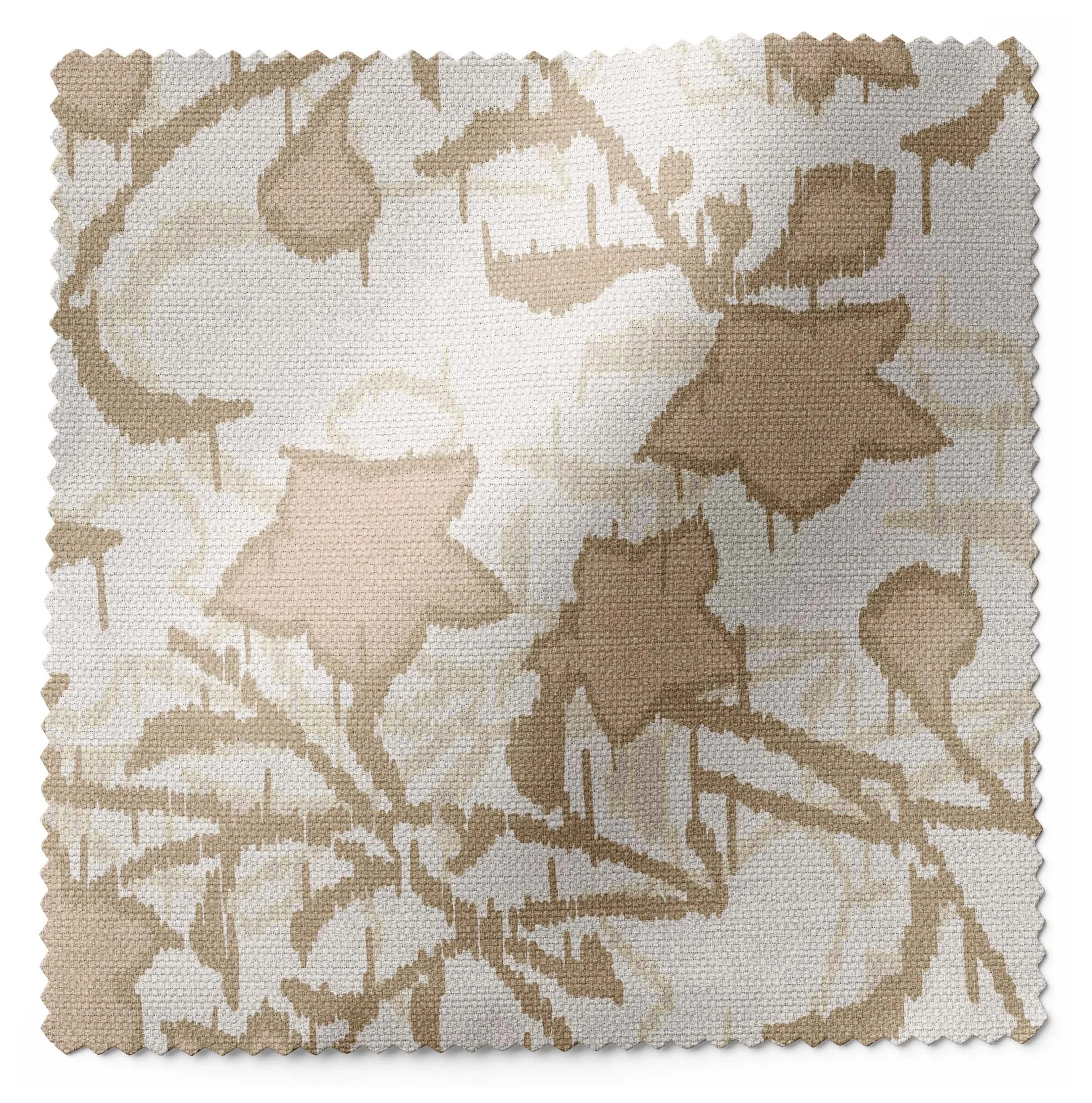
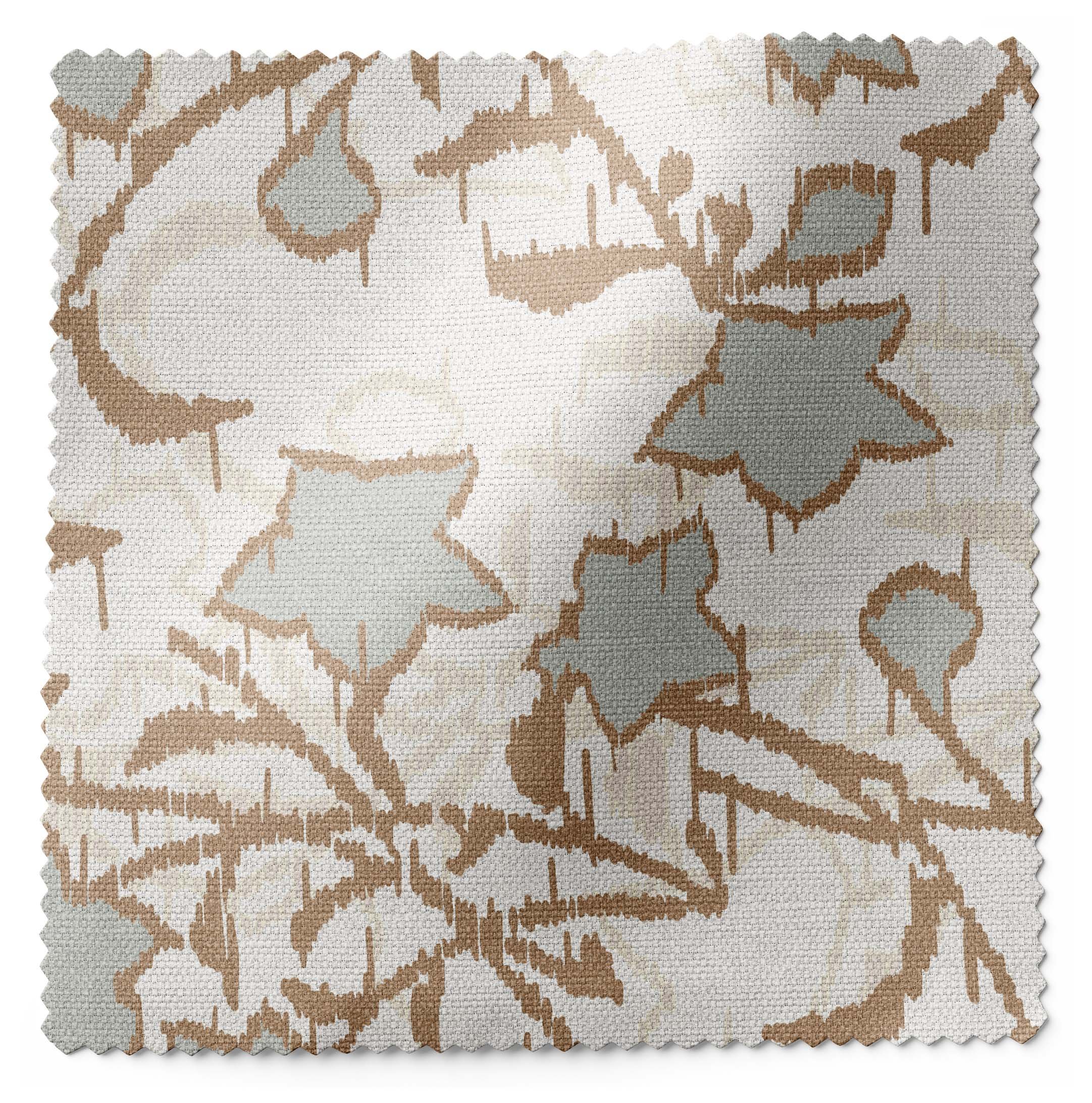
A Palette Shaped by the Landscape
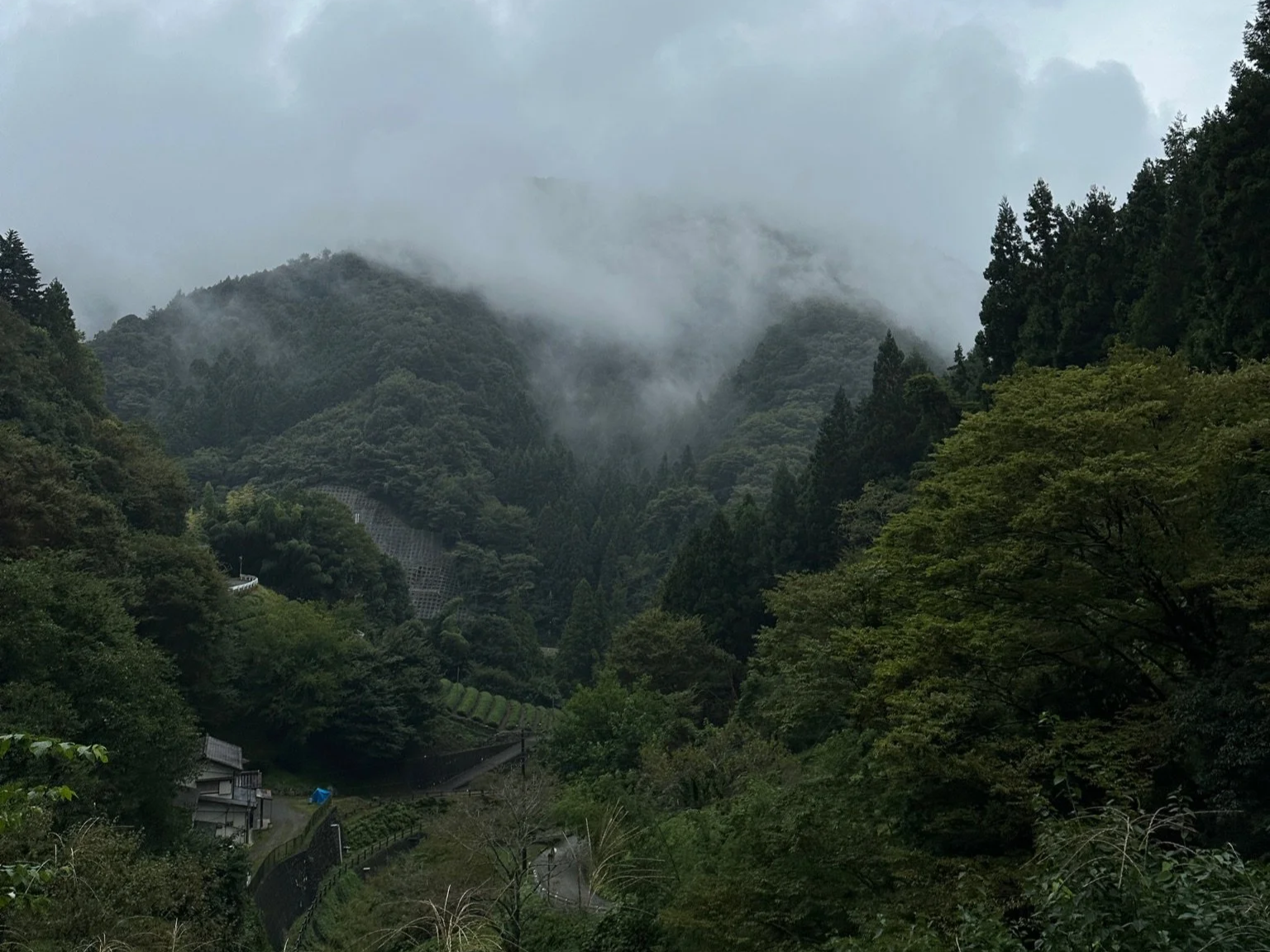
I was in Japan as summer was beginning to transition into fall. Surrounded by deep greens, blues, warm grasses, and earthy neutrals, these colors became the starting point for the Heritage palette.
When I returned to Colorado, I began noticing many of those same colors in the landscape here, often at different times of year. Olive and moss greens appear in spring and summer, while deep Twilight and softer blues reflect the colors of our mountain water and sky.
The warmer Sisal, sand, flax, and beige tones were inspired by the dried grasses I saw emerging in Japan as autumn approached. In Colorado, those same colors become especially prominent in late summer and fall and carry into the winter landscape.
Japan and Colorado are very different places, but I’m continually drawn to the colors they share. Heritage brings those landscapes together through a palette designed to feel natural, versatile, and timeless.
The Linen Is Part of the Design
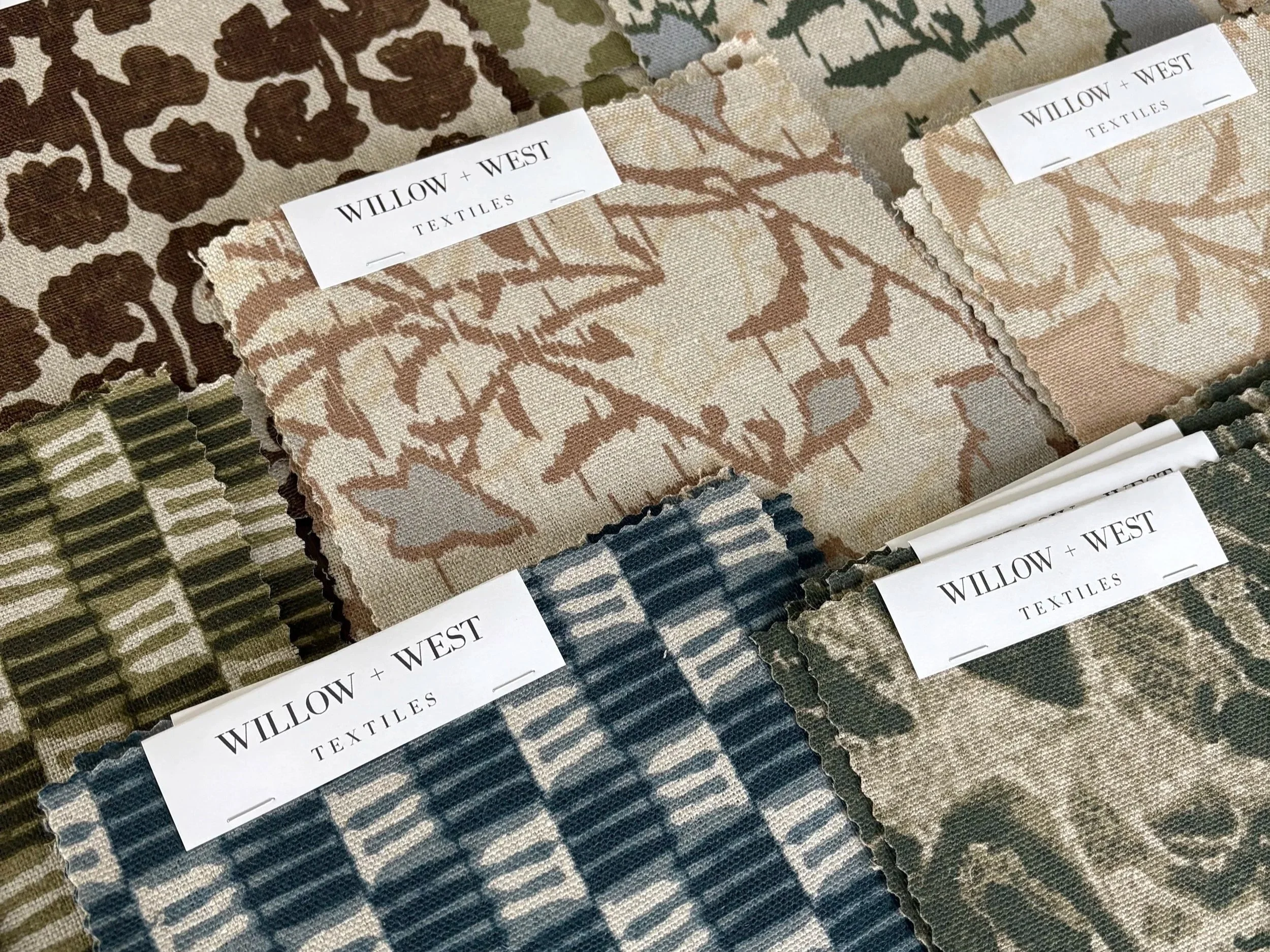
The ground for this collection was just as important as the patterns themselves. Every Heritage fabric is printed on a substantial 12.3 ounce, 100% linen woven in Belgium by Libeco. Its natural weave remains visible beneath the print, adding texture, depth, and character to the artwork.
With my background in interiors and furniture, I naturally think about how a fabric will live in a space. This heavier linen gives drapery beautiful structure, while also providing substance and durability needed for upholstery.
At a time when so much is being made faster, cheaper, and with synthetic materials, I want Willow + West to uphold a higher standard. I believe beautiful furniture and drapery deserves equally considered textiles made from quality natural fibers and designed to last.
For me, sustainability, quality, and beauty all begin with choosing better materials.
A Continuation of the Story
Ultimately, the Heritage Collection is not a departure from what I have created before; it is another chapter.
The techniques connect with what I studied in Japan. The botanical forms connect back to nature. The palette brings together colors I have experienced in both Japan and Colorado. And the Belgian linen introduces a new weight, texture, and richness that gives the artwork a different character.
Most of all, I hope designers experience the collection through the material itself. Feel the weight of the linen. Notice the texture and natural variation. Look more closely at the marks within the patterns and the processes behind them.
For me, the Heritage Collection creates something new while honoring the materials, processes, and traditions that came before it.
Trader members can request samples of the collection here.